Friday, February 23, 2024

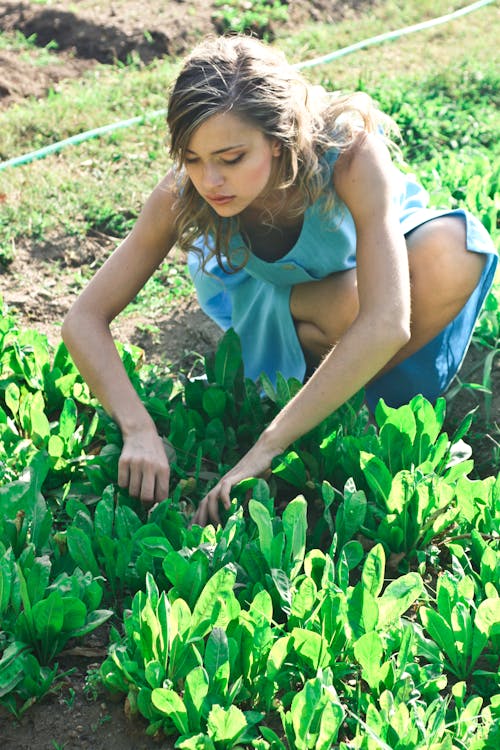
Enjoy the Health Benefits of Gardening


Image courtesy of Pexels

Enjoy the Health Benefits of Gardening

Gardening is an enjoyable hobby that a person of any age can take up. Not only is it an exhilarating activity, but it can also provide many mental and physical health benefits when done regularly. From eating more healthily to enhancing your mood, Hibiscus and More outlines the many benefits that gardeners of all ages can enjoy.

Enhances Health and Mood

Gardening can seem to be a relaxing activity at first glance, but, as Maryland Primary Care Physicians notes, you're actually getting an aerobic workout when you're outside for even just half an hour. From simpler tasks, such as watering, to more involved usage of heavy tools, you'll find that getting outside and working in your garden is a great way to keep active.

Aside from the physical benefits of this exercise, Food & Wine points out that you'll also notice your mood improves when you garden, much like with any other aerobic activity. Getting out for even just an hour a day can help you consistently get exercise and reduce stress at the same time.

Enables Healthier Eating 

Another health benefit that comes from gardening is a healthier diet. Rather than eating sugary snacks during the day, reaching out to homegrown fruits or vegetables can help you reduce hunger and gain energy in a healthier way. If you don't know where to start, try growing easy vegetables, such as carrots, beets, or squash. For more information on growing homegrown vegetables.

Builds a Strong Mind 

Gardening can also have a positive effect on various aspects of your mental health. When you create a garden and tend to plants, you must focus on one thing at a time. This helps build a strong mind by increasing your mindfulness and attention span.

You may also find yourself developing a growth mindset as you watch seedlings become fully grown plants over a long period of time. As gardening is a task that doesn't require you to be perfect, it's a great opportunity to move beyond perfectionism and develop a healthy outlook for your own life.

Positive Reinforcement 

Accomplishing goals in the garden, like nurturing a plant from seed to bloom, is a testament to patience, dedication, and the ability to nurture growth. These qualities are essential not only in gardening but also in pursuing academic goals such as earning a psychology degree online. The same approach that brought you gardening success can be applied to your academic journey. Your success in the garden can be a catalyst for academic achievement, urging you to explore and find out additional information about your options for an online psychology degree, where the seeds of knowledge you plant can flourish into a rewarding career.

Tips for Starting Your Garden

If you want to start a garden, there are a few crucial steps to complete before you start planting. First, clear space in your yard, ideally a spot that receives at least 6 to 8 hours of sunlight every day. Additionally, choose the plants you'll be growing, and do some research about the best times to plant them and the kinds of pests that might become problematic after you’ve planted. It’s best to be prepared so that you can stop bugs in their tracks before they do too much damage.

Once you've planned those details, you can start to sow your seeds in the soil and cover them up. Your seedlings need much less water at first, but continue to water them daily to prevent them from drying out.

Cultivate a Healthier Life

Starting your own garden can be a great way to enjoy a higher level of physical activity and an enhanced mood. You’ll soon discover how your new hobby will enhance your mood, provide more opportunities to maintain a healthy diet, and boost your cognitive abilities.

Hibiscus and More specializes in tropical botanicals and nature photography. Contact us today for more information!

©Larry Waters 2024

All photographs maybe purchased as fine art prints at HibiscusandMore.com  

Cheryl Ann Meola Art

Butterfly Gardening

Houseplants - Grow Fresh Air

Need floral stock photography? Click here.

https://www.shutterstock.com/g/Cheryl+Ann+Meola

https://stock.adobe.com/contributor/210785031/Cheryl

All photographs and digital images are ©Cheryl Ann Meola. All Rights Reserved. All photographs and digital images displayed in this newsletter are for viewing purposes only and cannot be duplicated or copied.

Wednesday, December 27, 2023

January Gardening Calendar 2024


January Gardening Calendar

Basil


Start planning for Spring. January is the perfect month to start planning your garden for the current year. As a refresher for last year’s thoughts, ideas or plants you were thinking about purchasing, dust off your gardening journal to see what changes or additions you wanted to make this year. A garden is always evolving.

Start looking at seed and garden catalogs. January is a good time to start planning this year’s design features and plants. Seeds and new introduction plants sell out quickly. Don’t miss out and wait, try to order your seeds or reserve your plants soon. Reserving your plant purchase guarantees the plant will ship at the proper time for planting in your USDA zone.

Seed starting Kits. Growers recommend starting the seeds indoors in a bright location to get a jump start to spring. There are seed starting kits which are advertised as seed starter germination kit or seed starter greenhouse kit. The kits usually feature a tray, growing media disks, and a cover for the tray. The kits are an excellent choice to start growing your seeds before spring. Some kits even include a warming matt to get a faster germination rate. 

Bare Root Roses will be arriving soon at local garden centers. Prepare planting beds by digging an area 3 feet wide by 12 inches deep for each rose. Soak bare root roses in a mixture of SuperThrive and water for 24 to 48 hours before planting. Local nurseries will also have available roses in peat pots. These pots are biodegradable and can be planted. Don’t take the plant out of the peat pot. Before planting cut the pot halfway down and around the pot four times. This action helps the peat pot degrade faster. For more information on Rose Care Click Here.

Poinsettias water only when the soil is dry to the touch. Start fertilizing in March. Poinsettias need bright light and cool temperatures even indoors.

Deciduous Trees and Shrubs the structure of the trees and shrubs can be easily seen this time of year. Prune all branches that rub or cross each other. Trees and shrubs can be planted now. Plan to plant on a warm day when the ground is not frozen. When the weather warms for a week or longer, and then the temperatures drop into the twenties, cover Camellias and Gardenias nightly until the temperatures are above freezing. The last week in January prune Pear and Apple trees, and Grape vines.

Vegetable Garden till the soil, if the ground is dry. This preventative measure helps to eliminate weeds, insects, and nematodes. Don’t have room for a vegetable garden, but would like to grow your own vegetables? All vegetables can be grown in large planters. The recommended size for vegetables is 16 inches or larger. In fact, that is how I grow my vegetables each season. For more information on Spring Vegetable Gardening Click Here.

Prune Pampas Grass and all other ornamental grasses down to about 12 inches. Prune Lantana and Cannas to about 2 to 3 inches. Shape Crepe Myrtles and Altheas and remove old seed heads.

Annuals water winter annuals like pansies, violas, ornamental cabbage and kale, after a hard freeze. This helps to rehydrate the annuals faster. Water outside container plants before a hard freeze, too.

Houseplants check for insects. Insects like mealy bugs, scale, spider mites are more likely to infest your plants during the winter months. Spray with a horticultural oil or insecticidal soap, and make sure you spray underneath the leaves. Turn your houseplants a quarter to half turn once a week. This prevents leaning of your houseplants. I turn mine once a week when I water my houseplants.

Need more gardening advice? Follow our BlogSpot for current sales, daily specials, and sound gardening advice. Simply click on Join This Site Link under Followers. Sign Up Is Free. View Current Blog Post Click Here.

All photographs maybe purchased as fine art prints at HibiscusandMore.com  

Cheryl Ann Meola Art

Butterfly Gardening

Houseplants - Grow Fresh Air

Need floral stock photography? Click here.

https://www.shutterstock.com/g/Cheryl+Ann+Meola

https://stock.adobe.com/contributor/210785031/Cheryl

All photographs and digital images are ©Cheryl Ann Meola. All Rights Reserved. All photographs and digital images displayed in this newsletter are for viewing purposes only and cannot be duplicated or copied.

©Cheryl Ann Meola


Wednesday, November 15, 2023

December Gardening Calendar

Holiday Poinsettia

In 1975, a research study by the Ohio State University dispelled the myth; Poinsettia ARE not poisonous. The white sap may be irritating to the eyes. So go ahead and brighten up your home with Poinsettias. There are several wonderful hybrids to choose from today from dark red to white.

The Holiday Plants that you kept last year need to be placed in a dark room during the evening hours for the plants to bloom this holiday season. Christmas Cactus and Poinsettias are night dependent plants for them to bloom; these plants need so many hours of darkness to bloom. The cooler weather also helps in the blooming process. Remember this gardening ritual when it is time to turn back the clocks; it is time to give holiday plants total darkness until buds or bracts start forming. If you purchased new holiday plants, try to place them in the coolest areas of your home and not under room vents.

Have you planted cool weather annuals? If not, there is still time to plant. Are your pansies already planted? Now is the time to fertilize your pansies, violas, snapdragons, ornamental cabbage and kale.

For Southern gardeners that are in zones 9 or 10 there is still time to plant your spring flowering bulbs.

Rake your leaves from your lawn by doing so; you will not have dead spots in the grass next spring. The leaves make excellent compost for the landscape beds in the spring. Need A Composter? Gardener’s Supply Company has a fine selection of composter.

Tis the season to harvest holiday decorations from your garden, Holly, Nandina, Pyracantha berries and foliage make an excellent red holiday accent for table centerpieces and hearth mantels.

Attract birds to your garden with different types of bird feeders. Bird experts recommend a selection of bird feeders that hold wild birdseed, thistle seed, and some that have suet cake holders. Bird experts recommend attracting wild birds to use black oil sunflower seed; this will attract a larger variety of wild birds.

Need Horticulture Advice? Ask Cheryl@hibiscusandmore.com

Have you ever tried forcing Paperwhites for the holidays and the stems and blooms became leggy? Here is a link to an article about what to do to prevent the legginess from occurring. Click Here To Read More: http://www.hortmag.com/weekly-tips/cultivation/growing-paperwhites?et_mid=525016&rid=2111517

House Plants that were brought indoors need a ¼ turn to prevent leaning towards the light. To prevent this, turn your house plants once a week. House plants do not need as much water during the winter months, water when the top one inch of the soil is dry. Another way to decide to water is if you had several days of cloudy weather check your plants on the normal day you usually check, if the soil feels wet wait a week. Houseplants do not need as much water during cloudy, winter months. General Rule less light = less water. Plants use more water with more daylight hours.

The Blogger, Cheryl Ann Meola, has several Links to share with you featuring her fine art plant photography and merchandise. Click on the links below.

For Gardening Books: Butterfly Gardening Click Here. is on Sale. House Plants Click Here.

Landscape Gardening Click Here.

Fine Art America Portfolio for Prints and Household Merchandise.

For Cheryl Ann Meola’s Shutterstock Stock Photography.

For Cheryl Ann Meola’s Adobe Stock Photography.

Hibiscus And More.

Cheryl Ann Meola © 2023.

All photographs and digital images are ©Cheryl Ann Meola. All Rights Reserved. All photographs and digital images displayed in this newsletter are for viewing purposes only and cannot be duplicated or copied.

Merry Christmas and Happy Holidays From Hibiscus and More.

Texas Certified Nursery Professional #1282

Tuesday, November 14, 2023

Tips for Winter Gardening in Your Garage

Image via Unsplash

Tips for Winter Gardening in Your Garage

Gardeners in colder climates often despair when the gardening season ends and the long winter moves in. If you have a garage, with the right equipment and knowledge, you can extend your gardening season through the winter. Here are some tips to help you out from Hibiscus and More.

Weatherproofing Your Garage to Regulate Temperatures

Garage doors and windows are not made to be weatherproof, and let in too much cold air for successful winter gardening. If you have a single garage, covering the door with heavy plastic sheeting is effective at keeping out cold air. If windows are in good shape, they can also be covered with plastic sheeting, but this is a good time to assess the need for window repair or replacement. Garage windows are usually smaller, so repair and replacement costs average around $300 per window. Costs vary based on your locality and whether you need simple window repair or a total window replacement. Generally, the cost is offset by grocery savings on fresh, organic food.

Assessing Growing Space

Most homeowners already have numerous things stored in the garage, so creating space for growing plants involves some organization. First, determine how much you want to grow and how you are going to grow it. With inexpensive shop light fixtures and utility shelving, you can grow micro- and mini-greens efficiently and quickly, harvesting a few crops over the winter. For larger plants, such as tomatoes, five-gallon buckets are sufficient and can be placed under an array of lights or single spotlight grow-lights. Spacing suggestions are found on the back of seed packages or online.

Choosing Lighting for Best Growth

Proper lighting is essential for healthy plants. There are several lighting options to choose from, but these two are the most commonly used and more suitable than more powerful solutions for small-space growing.

             CFL bulbs. The cheapest and often most sensible solution is regular fluorescent bulbs in an inexpensive shop-light fixture. Because they don't produce much heat, they can be used on each shelf of a shelving unit without burning the plants. They are the best choice for growing seedlings and small plants such as micro- and mini-greens.

             LED lights. LEDs are more expensive initially than CFLs but use less energy. Less expensive LED grow lights often do not produce good results. They are more effective and powerful than CFLs but may not produce the full spectrum of light for some plants.

Controlling Heat, Humidity, and Air Circulation

In colder climates, an uninsulated garage needs supplemental heat, despite putting ample plastic sheeting on the walls. Your heating system must maintain a temperature of 65-70 degrees Fahrenheit for optimal growth. Using a propane or natural gas heater requires ventilation and the use of a carbon monoxide alarm system to prevent the gas from leaking into your home. Electric heat costs more but is ultimately safer. The best way to control humidity is with proper air circulation, which requires fans pointed in at least two directions to keep the air moving at all times.

Upgrades to Consider

There are several upgrades to consider that can not only make this space more functional for your green endeavors but also potentially add value to your home. First, consider installing proper insulation to maintain a consistent temperature, crucial for plant growth. Ventilation is another key aspect; installing an exhaust fan can help regulate humidity and air circulation. For watering convenience, you might also think about setting up a small sink or water source. Remember to document your work meticulously, as these enhancements can be appealing to future buyers who might appreciate a versatile, well-equipped garage space. Not only will these upgrades support your winter gardening, but they could also increase the overall appeal and value of your property.

Meeting the Challenge

While growing vegetables in a garage seems challenging, taking it step-by-step can create a successful outcome. With a little planning and effort, you can extend your growing season through the winter months!

For high-quality tropical botanicals and nature photography, visit Hibiscus and More today!

©Larry Waters 2023

Thursday, October 26, 2023

Mastering the Art of Edible Landscaping for a Feast of Sights and Bites

An outdoor space that yields both sustenance and visual delight is an attainable dream, regardless of the square footage at hand. From urban balconies to expansive lawns, the transformational journey to an edible and visually arresting landscape is not only fulfilling but also practical. The ensuing guide shared by Hibiscus and More delineates seven critical approaches that aim to cultivate an outdoor oasis where produce meets design seamlessly.

Incorporate Grasses that Serve Dual Roles

Ornamental grasses have always been a garden favorite, but their edible counterparts offer a fresh perspective you should consider. Grasses like Lemongrass can be strategically planted to function both as eye-catching borders and functional barriers. In addition to providing structural integrity to the garden, these grasses have culinary uses, making them a savvy choice for the modern-day cultivator. The most popular varieties for cooking are West Indian Lemon Grass – Cymbopogon citratus, East Indian Lemon Grass – Cymbopogon flexuosus, and Citronella Grass – Cymbopogon nardus.

Choose Plants with Culinary and Visual Benefits

Why settle for plants that only serve one purpose? Garden denizens like Swiss chard offer a feast for the eyes with their vibrant stalks, while their leaves bring nutritional value to meals. Similarly, the delicate flowers of the nasturtium are not just visually captivating; they are also a colorful addition to salads. Thus, these plants tick both boxes: they are visually appealing and provide nourishment.

Chronicle Your Experience Digitally

Expanding the reach of your edible landscape through digital platforms like YouTube opens the door to myriad opportunities, from community engagement to potential revenue streams. If contemplating the venture from a business perspective, discussing the merits of structured planning, such as forming a Limited Liability Company, can offer valuable insights to your audience. An LLC can offer a number of different benefits, include liability protection and certain tax advantages. There are several companies that can help you register all the right paperwork and documentation with the state.

Integrate a Spectrum of Sensory Elements

Creating a colorful landscape involves more than planting a row of tomatoes next to herbs. Integrating plants with various shapes, textures, and hues can give your garden a lush, layered look. A juxtaposition of the deep red tomatoes, the slender and subtle greens of dill, and the architectural allure of artichoke leaves, for example, will lend a sense of rich visual diversity to your outdoor space.

Harmonize Plants Based on Necessities

Strategic grouping of plants according to their individual sunlight and water requirements can streamline maintenance and minimize resource wastage. By planting sun-loving herbs like basil on the sunny sides and allocating shadier spots to moisture-loving leafy greens like spinach, you're setting the stage for each plant to flourish without excessive care and attention.

Optimize Space through Smart Design Choices

Space constraints are not a limitation but an opportunity for creative gardening solutions. Raised beds and container gardening can be perfect solutions for compact areas. Apart from maximizing the available area, they offer enhanced control over soil composition and drainage, making them ideal choices for urban gardeners who want to grow a variety of edibles on a smaller scale. For more information on container gardening.

Adopt Sustainable Pest Management

Harmony with nature is a core philosophy of edible landscaping, which extends to pest control. Chemical pesticides might offer quick solutions but often at the expense of environmental well-being. Natural deterrents like planting geraniums or African marigolds can offer a sustainable yet effective alternative to keep troublesome insects like Japanese beetles at bay. Or one can use a combination of natural deterrents and environmentally friendly sprays such as Safer Soap, Neem Oil, or Dormant Oil.

Achieving an outdoor space that is as productive as it is visually striking is not just an aspiration but a realistic goal. By adopting multi-functional plants, documenting your journey digitally, infusing variety in sensory elements, optimizing space, and embracing sustainable practices, your landscape will not merely be a backdrop but an interactive, enriching part of your life. This melding of utility and aesthetic allure ensures that your outdoor space becomes a wellspring of both inspiration and sustenance for anyone who encounters it.

©Larry Waters 2023.


Sunday, October 22, 2023

November Gardening Calendar and Gardening Gifts


November Gardening Calendar

Blow or rake fallen leaves from lawn areas. The leaves left on the lawn block the sunlight to your grass and will create bare spots. Don’t forget to compost the leaves. Spray each layer with water. Need a composter? There are several composters on the market today, but deciding which one to buy may be confusing to some. Composters are designed for gardeners and homeowners with several designs to choose from. Some are designed to be mobile and when the compost is ready the gardener can take the composter to the area where it is going to be used. Other composters are deigned to be stationary. When deciding on a composter think about what you want the composter to do for you. For my information on composting Click Here.

Plant spring-flowering bulbs now and add bone meal to the planting hole. Depending on how south you garden in some spring bulbs can be planted in December. The key to planting spring flowering bulbs is the ground needs to be cool enough, so the bulbs remain dormant until spring arrives. For more information on fall bulbs Click Here.

You can save your Elephant Ears, Dahlias, and Caladiums by digging them up now. Let the tubers dry out before storing for the winter. Store tubers in boxes layered with peat moss or vermiculite, then layer tubers on top of your choice of medium. Store boxes in a cool, dry place.

Spring and summer perennials can be pruned back and mulch. After the flowers have faded on Chrysanthemums and Asters prune to 4 inches and mulch. Clean up Hellebores. Trim dead and yellowing leaves. Hellebores grow from the center and by removing the dead and yellowing leaves increases more pups.

To encourage winter songbirds in your garden, get a birdfeeder. It is recommended to use the black oil sunflower seed for most birds. Black oil sunflower seeds make a nutrient-dense snack for birds. The seeds have a higher oil content which translates to more nutrition. The shell is thinner, which makes it easier to break open for the birds. Fill bird feeders with black oil sunflower seeds.

Plant New Shrubs and Trees: Have you been thinking about replacing a few shrubs that just did not quite get established in the landscape, or planting a new shade or flowering tree that you just cannot live without in your landscape? Now, is the time to start thinking about making that purchase? The fall season is an excellent time to add new shrubs and trees to your landscape. This time of year will let your newly planted shrubs and trees get a head start by developing and establishing new root growth in the soil.

You still have time to plant your winter color such as: Chrysanthemums, Pansy, Viola, Snapdragons, Stock, Cyclamen, Dianthus, Sweet Alyssum, Flowering Cabbage and Kale provide winter color through the spring and should be still available at garden centers. For spring blooms plant Bluebonnet and Poppy seeds this fall. For more information on fall and winter annuals click here.

Holiday Plants that you kept last year need to be placed in a dark room during the evening hours for the plants to bloom this holiday season. I remember this gardening ritual when it is time to turn back our clocks; it is time to give my holiday plants total darkness until I see buds or bracts forming. Christmas Cactus and Poinsettias are night dependent plants for them to bloom; these plants need so many hours of darkness to bloom. The cooler weather also helps in the blooming process. If you purchased new holiday plants, try to place them in the coolest area of your home.

Have you ever tried forcing Paperwhites for the holidays and the stems and blooms became leggy? Here is a link to an article about what to do to prevent the legginess from occurring. Click Here To Read More: http://www.hortmag.com/weekly-tips/cultivation/growing-paperwhites?et_mid=525016&rid=2111517

House Plants that were brought indoors need a ¼ turn to prevent leaning towards the light. To prevent this, turn your house plants once a week. House plants do not need as much water during the winter months, water when the top one inch of the soil is dry. Another way to decide to water is if you had several days of cloudy weather check your plants on the normal day you usually check, if the soil feels wet wait a week. Houseplants do not need as much water during cloudy, winter months.

The Blogger, Cheryl Ann Meola, has several Links to share with you featuring her fine art plant photography and merchandise. Click on the links below.

For Gardening Books: Butterfly Gardening Click Here

House Plants Click Here.

Landscape Gardening Click Here.

Fine Art America Portfolio for Prints and Household Merchandise.

Society6Portfolio. Society6 has more Household merchandise.

For Cheryl Ann Meola’s Shutterstock Stock Photography.

For Cheryl Ann Meola’s Adobe Stock Photography.

For Live Herbs and Live Plants.

Cheryl Ann Meola © 2023.

All photographs and digital images are ©Cheryl Ann Meola. All Rights Reserved. All photographs and digital images displayed in this newsletter are for viewing purposes only and cannot be duplicated or copied.

Certified Texas Nursery Professional #1282

Wednesday, October 4, 2023

November Gardening Calendar 2023


November Gardening Calendar

Blow or rake fallen leaves from lawn areas. The leaves left on the lawn block the sunlight to your grass and will create bare spots. Don’t forget to compost the leaves. Spray each layer with water. Need a composter? There are several composters on the market today, but deciding which one to buy may be confusing to some. Composters are designed for gardeners and homeowners with several designs to choose from. Some are designed to be mobile and when the compost is ready the gardener can take the composter to the area where it is going to be used. Other composters are deigned to be stationary. When deciding on a composter think about what you want the composter to do for you. For my information on composting Click Here.

Plant spring-flowering bulbs now and add bone meal to the planting hole. Depending on how south you garden in some spring bulbs can be planted in December. The key to planting spring flowering bulbs is the ground needs to be cool enough, so the bulbs remain dormant until spring arrives. For more information on fall bulbs Click Here.

You can save your Elephant Ears, Dahlias, and Caladiums by digging them up now. Let the tubers dry out before storing for the winter. Store tubers in boxes layered with peat moss or vermiculite, then layer tubers on top of your choice of medium. Store boxes in a cool, dry place.

Spring and summer perennials can be pruned back and mulch. After the flowers have faded on Chrysanthemums and Asters prune to 4 inches and mulch. Clean up Hellebores. Trim dead and yellowing leaves. Hellebores grow from the center and by removing the dead and yellowing leaves increases more pups.

To encourage winter songbirds in your garden, get a birdfeeder. It is recommended to use the black oil sunflower seed for most birds. Black oil sunflower seeds make a nutrient-dense snack for birds. The seeds have a higher oil content which translates to more nutrition. The shell is thinner, which makes it easier to break open for the birds. Fill bird feeders with black oil sunflower seeds.

Plant New Shrubs and Trees: Have you been thinking about replacing a few shrubs that just did not quite get established in the landscape, or planting a new shade or flowering tree that you just cannot live without in your landscape? Now, is the time to start thinking about making that purchase? The fall season is an excellent time to add new shrubs and trees to your landscape. This time of year, will let your newly planted shrubs and trees get a head start by developing and establishing new root growth in the soil.

You still have time to plant your winter color such as: Chrysanthemums, Pansy, Viola, Snapdragons, Stock, Cyclamen, Dianthus, Sweet Alyssum, Flowering Cabbage and Kale provide winter color through the spring and should be still available at garden centers. For spring blooms plant Bluebonnet and Poppy seeds this fall. For more information on fall and winter annuals click here.

Holiday Plants that you kept last year need to be placed in a dark room during the evening hours for the plants to bloom this holiday season. I remember this gardening ritual when it is time to turn back our clocks; it is time to give my holiday plants total darkness until I see buds or bracts forming. Christmas Cactus and Poinsettias are night dependent plants for them to bloom; these plants need so many hours of darkness to bloom. The cooler weather also helps in the blooming process. If you purchased new holiday plants, try to place them in the coolest area of your home.

Have you ever tried forcing Paperwhites for the holidays and the stems and blooms became leggy? Here is a link to an article about what to do to prevent the legginess from occurring. Click Here To Read More: http://www.hortmag.com/weekly-tips/cultivation/growing-paperwhites?et_mid=525016&rid=2111517

House Plants that were brought indoors need a ¼ turn to prevent leaning towards the light. To prevent this, turn your house plants once a week. House plants do not need as much water during the winter months, water when the top one inch of the soil is dry. Another way to decide to water is if you had several days of cloudy weather check your plants on the normal day you usually check, if the soil feels wet wait a week. Houseplants do not need as much water during cloudy, winter months.

The Blogger, Cheryl Ann Meola, has several Links to share with you featuring her fine art plant photography and merchandise. Click on the links below.

Fine Art America Portfolio. Click to View.

Society6 Portfolio. Society6 has more Household merchandise. Click to View.

For Cheryl Ann Meola’s Shutterstock Stock Photography. Click to View.

For Cheryl Ann Meola’s Adobe Stock Photography. Click to View.

For Live Herbs and Live Plants. HibiscusAndMore.

Cheryl Meola © 2023.

Cheryl Ann Meola

Certified Texas Nursery Professional #1282

February Gardening Calendar 2026

  February Gardening Calendar 2026 Spring is near when the Daffodils start blooming.   This winter has come in with a vengeance bringing...