Wednesday, December 21, 2022

Attracting Hummingbirds to Your Garden


Attracting Hummingbirds to Your Garden

Attracting Hummingbirds to your garden can be very easy. All you need to do is follow a few simple steps and you will have these wonderful creatures visiting your garden on a daily basis. You do not need to redesign your entire landscape or hire a professional landscaper to design a Hummingbird Garden for you, because by providing a few key elemental ingredients and plants you can attract beautiful hummingbirds to your garden. There are certain plants that are Hummingbird magnets that you can use to attract Hummingbirds in your area.

To attract and keep Hummingbirds returning to your garden we need to discuss the key elements and simple steps to follow:

q  Create a habitat to encourage Hummingbirds to nest and feed.

q  Provide at least 3 Hummingbird feeders.

q  Provide Nectar rich, tubular flowers.

Creating a Habitat for Hummingbirds to Nest and Feed would involve providing trees or places for the Hummingbirds to nest. This can be provided for the majority of Hummingbird species by having horizontal tree limbs, and shelter from surrounding tree limbs. The material used by most Hummingbirds to build their nest is organic in nature and is available to your Hummingbirds in most back yard habitats. A few of the organic items used by Hummingbirds are downy plant material, bits of leaves, bark, fallen leaves, and moss.  A Hummingbirds diet consists of 90% of their food coming from nectar, and the other 10% of their diet consists of insects. When attracting Hummingbirds to your garden you’ll need to be aware of the use of insecticides on the plants that the Hummingbirds feed upon. There are two ways to approach the use of insecticides in the garden. One way would be let the Hummingbirds take care of your insect problem, or you can use organically friendly insecticides that are safe for Hummingbirds. By providing a consistent supply of nectar rich flowers and an additional supply of nectar coming from the Hummingbird feeders you will have very happy Hummingbirds in your garden.

Providing at Least 3 Hummingbird Feeders will entice more Hummingbirds returning repeatedly to your garden. By providing an additional and constant food source you will encourage Hummingbirds to stay in your garden for food, and to nest. Place your feeders where you can see all the activity going on. You can place the Hummingbird feeders in any tree limb near your patio, or hang from eaves outside a kitchen window, or an exterior window(s) that you frequently visit. By placing your Hummingbird feeder near the places, you frequently visit outdoors your Hummingbirds will eventually become accustomed to your presence and no longer be afraid when you are present. There are two key ingredients to remember when using Hummingbird feeders in addition to nectar rich plants.

1)    Always keep a good supply of nectar in the Hummingbird feeders.

2)    Always clean your Hummingbird feeder once a week to keep your Hummingbirds healthy.

Hibiscus and More has a beautiful selection of Hummingbird Feeders. Click Here to Order Your Hummingbird Feeders.

Providing Nectar Rich, Tubular Flowers will give your Hummingbird Garden an additional food source that will keep your Hummingbirds coming back each year. Attracting Hummingbirds to your garden is an art.  Nutrition for the Hummingbirds, and how to attract Hummingbirds year-round, all must be taken into consideration.  An abundance of nectar rich flowers, at least 3 Hummingbird Feeders as an additional food source, creates a habitat for nesting and feeding all need to be provided.  The more nectar plants that are provided and Hummingbird feeders provided will attract more Hummingbirds to your garden for years to come.

To bring numerous Hummingbirds to your garden you need to plan for masses and clumps of nectar rich perennials and annuals. Both perennials and annuals should be planted, but perennials are more useful since they bloom year-round, thus attracting Hummingbirds throughout the year.  The blooming periods of the annuals should be staggered also, in order to attract Hummingbirds year-round. Both flower shape and flower color are important in regard to attracting Hummingbirds to feed are the best.  Hummingbirds prefer single flowers with a tubular shape and upright blooms for feeding, and they also prefer flowers with bright colors and a distinct scent, with shades of red, from pink to orange being their favored colors. After planting the plants and hanging your Hummingbird feeders it will take some time for the Hummingbirds to find you, and as the year’s progress you will see more Hummingbirds visiting your garden. Each year the Hummingbirds will come back to the same area as the year before. My father’s house in Georgia has a Miss Huff Lantana bush and that same year the bush was planted the Hummingbirds were frequent visitors and continue to this day to visit the Lantana bush each year. Some of the plants that I will mention will also attract butterflies to your garden as well.

Autumn Sage: Salvia greggii 'Maraschino'. Type: Perennial. Height: 3’ – 4’. Spacing: 18” – 24” apart. Light Requirements: Full sun to partial shade. Additional Uses: Butterfly attractant. 

Autumn Sage

Bee Balm: Monarda spp. Type: Perennial. Height: 3 – 4”. Spacing: 24 – 30” apart. Light Requirements: Full sun to partial shade. Additional Uses: Butterfly attractant. 

Bee Balm

Blue Porterweed: Stachytarpheta jamaicensis. Type: Perennial. Height: 2 – 3’. Spacing: 24” apart. Light Requirements: Full sun to partial shade. Additional Uses: Butterfly attractant. 

Porterweed

Butterfly Bush: Buddleia davidii 'Pink Delight'. Type: Perennial. Height: 4 – 6’. Spacing: 4 – 6’ apart. Light Requirements: Full sun. Additional Uses: Butterfly attractant.  

Butterfly Bush

Columbine: Aquilegia 'Cardinal'. Type: Perennial. Height: 24 – 28”. Spacing: 18 – 24” apart. Light Requirements: Full sun to partial shade. Additional Uses: Butterfly attractant.

Cardinal Columbine

Firebush: Hamelia patens. Type: Shrub. Height: To 15’. Spacing: 3 – 5’ apart. Light Requirements: Full sun to partial shade. Additional Uses: Butterfly attractant.

Firebush

Firecracker Plant: Russelia equisetiformis. Type: Perennial. Height: 36” – 48”. Spacing: 3 – 5’ apart. Light Requirements: Full sun to partial shade. Additional Uses: Butterfly attractant. 

Firecracker Plant

Garden Canna: Canna X generalis. Type: Perennial. Height: Depends on variety but can range from 3 – 5’. Spacing: 1 – 2’ apart for rhizomes, and 3 – 5’ apart for container plants. Light Requirements: Full sun to partial shade. Additional Uses: Butterfly attractant.

Canna

Homestead Purple Verbena: Verbena canadensis 'Homestead Purple'. Type: Perennial ground cover. Height: 6 – 10”. Spacing: 12 – 24” apart. Light Requirements: Full sun. Additional Uses: Butterfly attractant, heat and drought tolerant.

Homestead Purple Verbena

Korean Hyssop: Agastache rugosa. Type: Perennial. Height: 3 – 4’. Spacing: 12 – 18” apart. Light Requirements: Full sun. Additional Uses: Butterfly attractant.

Lantana: Lantana camara 'Miss Huff'. Type: Perennial. Height: 4 – 5’. Spacing: 3 – 5’ apart. Light Requirements: Full sun to partial shade. Additional Uses: Butterfly attractant, heat, and drought tolerant. 

Lantana Miss Huff

Lemon Bottlebrush: Callistemon citrinus. Type: Shrub. Height: To 12’. Spacing: 4 – 6’ apart. Light Requirements: Full sun. Additional Uses: N/A. 

Lemon Bottlebrush

Mexican Sage: Salvia leucantha. Type: Perennial. Height: 2 – 4’. Spacing: 3 – 5’ apart. Light Requirements: Full sun. Additional Uses: Butterfly attractant, and drought tolerant.

Mexican Sage

Pentas: Pentas lanceolata. Type: Perennial. Height: To 3’, depends on variety. Spacing: 24 – 36” apart. Light Requirements: Full sun. Additional Uses: Butterfly attractant, heat and drought tolerant.

Pentas

Petunia: Petunia X hybrida 'Purple Wave'. Type: Annual. Height: 4 – 6”. Spacing: For a thick coverage, 12 – 15” apart, 3’ apart for regular coverage, plants will spread 3 – 5’. Light Requirements: Full sun. Additional Uses: Butterfly attractant, heat and drought tolerant. 

Purple Wave Petunia

Pineapple Sage: Salvia elegans. Type: Perennial in USDA zones 9 – 11, treat as an annual outside zone 9. Height: 3 – 5’. Spacing: 3 – 5’ apart. Light Requirements: Full sun to partial shade. Additional Uses: Butterfly attractant. Crushed fresh leaves in fruit salads and drinks; the fresh flowers can be used in salads and desserts.

Pineapple Sage

Texas Gold Columbine: Aquilegia chrysantha var. hinckleyana. Type: Perennial. Height: 18 – 36”. Spacing: 12 – 18” apart. Light Requirements: Full sun to partial shade. Additional Uses: Butterfly attractant.

Texas Hummingbird Mint: Agastache cana. Type: Perennial. Height: 24 – 36”. Spacing: 12 – 18” apart. Light Requirements: Full sun. Additional Uses: Butterfly attractant, and drought tolerant.

Trailing Lantana: Lantana montevidensis. Type: Perennial, annual outside USDA zone 8. Height: 18 – 24”. Spacing: 3 – 4’ apart, can spread to 5’. Light Requirements: Full sun to partial shade. Additional Uses: Butterfly attractant, heat and drought tolerant.

Trailing Lantana

Tropical Hibiscus: Hibiscus rosa-sinensis. Type: Shrub, annual outside USDA zone 9. Height: To 12 – 15’, pruning can control height. Spacing: 3 – 5’ apart. Light Requirements: Full sun to partial shade. Additional Uses: Butterfly attractant, and heat tolerant. 

Tropical Hibiscus

Turk's Cap: Malvaviscus arboreus. Type: Shrub, annual outside USDA zone 9. Height: To 12 – 15’, pruning can control height. Spacing: 3 – 5’ apart. Light Requirements: Full sun to partial shade. Additional Uses: Butterfly attractant, and heat tolerant. 

Turk's Cap

Wax Begonia: Begonia X semperflorens-cultorum. Type: Annual. Height: 6 – 12”. Spacing: 8 – 12” apart. Light Requirements: Partial shade to shade, the bronze-leaf varieties will tolerate more sun. Additional Uses: None. 

Wax Begonia

Yellow Elder: Tecoma stans (Stenolobium stans). Type: Shrub, annual outside USDA zone 7. Height: To 12 – 15’, pruning can control height. Spacing: 3 – 5’ apart. Light Requirements: Full sun to partial shade. Additional Uses: Butterfly attractant, drought, and heat tolerant. 

Yellow Elder

All photographs maybe purchased as fine art prints at HibiscusandMore.com  

All photographs maybe purchased as fine art prints at HibiscusandMore.com  

Cheryl Ann Meola Art

Butterfly Gardening

Houseplants - Grow Fresh Air

Need floral stock photography? Click here.

https://www.shutterstock.com/g/Cheryl+Ann+Meola

https://stock.adobe.com/contributor/210785031/Cheryl

All photographs and digital images are ©Cheryl Ann Meola. All Rights Reserved. All photographs and digital images displayed in this newsletter are for viewing purposes only and cannot be duplicated or copied.

©Cheryl Ann Meola

Visit Our BlogSpot at: http://wwwhibiscusandmore.blogspot.com


Tuesday, December 20, 2022

Fresh Cut Flowers at Home


Did you know there are health benefits to having fresh cut flowers in your home or office? Let’s explore the wonderful benefits of having fresh cut flowers in your garden, home, or office. The benefits are easily obtainable and can be created in your garden. There are a wide range of annuals, perennials, bulbs, tropicals, groundcovers, shrubs, and trees that can be used as fresh cut flowers and floral greens. A fresh cut flower garden does not necessarily mean only flowering plants; there are non-flowering trees, shrubs, and groundcovers make an excellent addition for fresh greens in your flower arrangement. There are several flowering shrubs and trees that can be used as fresh cut flowers indoors. Depending on your USDA planting zone you may be lucky enough to enjoy a year-round cutting garden. 

Strelitzia nicolai - White Bird of Paradise

Some of the plants that are suggested in the newsletter you may already have planted in your garden, and a cutting garden does not necessarily have to be in a specific area of your garden. Your cutting garden can be placed throughout your planting beds. A cutting garden can be desirable plants that meet the criteria of being a fresh cut flower, this is based on vaselife of the flower or floral green used. Vaselife is defined as to how long a flower or greenery retains its appearance in a vase.  Besides having a beautiful garden to look and enjoy, there are health benefits to having fresh cut flowers in the home or office. Numerous studies have shown an increase in positive emotional mood changes when fresh cut flowers and plants were present, and a range of age groups were involved in the studies from groups of people just entering the workforce to the elderly. All studies showed a positive emotional mood change to having fresh cut flowers and plants in their home or office. In one study conducted by Harvard Medical School, revealed “that people feel less depressed, have less anxiety and worry, and people feel more compassionate toward others when fresh cut flowers are present in the home.” In an eight-month study conducted by Texas A & M University research, Harvard Medical School, and Massachusetts General Hospital “worker’s idea generation, creative performance and problem-solving skills improved substantially in workplace environments that included flowers and plants”. Another study conducted by Harvard Medical School to the benefits of having flowers in the home showed “Flowers feed compassion, Flowers chase away anxieties, worries and the blues away at home, and having flowers at home can carry-over to our mood at work”. In one study by Rutgers University the study demonstrated “when flowers are present, ease and decrease depression, inspire social networking and encourage companionship, and refresh recent memory as we age”. For more information about these studies, visit: www.aboutflowers.com

Rudbeckia sp.
You can have a fresh cut flower garden in a specific area, have a fresh cut container garden, or you may have a few of the flowers already growing in your garden. For people living in apartments, condos, or town homes you can have your fresh cut flower garden in containers that will entice everyone to your patio this summer and fall. Here is a list of flowers and greens that can be used for floral arrangements. A few are my favorites that are easy to grow in your garden and would make excellent fresh cut flower bouquets. Some of the plants listed can also be used as floral greenery.

Agapanthus africanus 'Queen Anne': Queen Anne Lily of the Nile; African Lily. Type: Ground cover, border, edger. Height: 2 – 2.5 feet. Spacing: 20” – 24” apart. Light Requirements: Full sun to semi-shade. Flowering Season: Spring, summer, and fall. Vaselife: 6 – 12 days. Foliage and flowers can be used in arrangements. 

Agapanthus africanus 'Queen Anne'

Alpinia mutica: Small Shell Ginger. Type: Tropical Herbaceous perennial. Height: 5 – 6 feet. Spacing: 4 – 6 feet apart. Light Requirements: Full sun to semi-shade. Flowering Season: Summer, fall, winter. Vaselife: 6 – 14 days. Foliage and flowers can be used in arrangements.

Small Shell Ginger

Alpinia purpurata: Red Ginger. Type: Tropical Herbaceous perennial. Height: 5 – 6 feet. Spacing: 4 – 6 feet apart. Light Requirements: Full sun to semi-shade. Flowering Season: Summer, fall, winter. Vaselife: 6 – 14 days. Foliage and flowers can be used in arrangements. 

Red Ginger

Alpinia zerumbet 'Variegata': Variegated Shell Ginger. Type: Tropical Herbaceous perennial. Height: 5 – 6 feet. Spacing: 4 – 6 feet apart. Light Requirements: Full sun to semi-shade. Flowering Season: Summer, fall, winter. Vaselife: 6 – 14 days. Foliage and flowers can be used in arrangements. 

 Variegated Shell Ginger

Anthurium 'Lady Jane': Lady Jane Anthurium. Type: Tropical Herbaceous perennial. Height: 1.5 feet. Spacing: 18 – 24 inches apart. Light Requirements: Semi-shade to shade. Flowering Season: All year. Vaselife: 14 – 28 days. Immerse flower head in water for 10 minutes. 

Lady Jane Anthurium
Antirrhinum majus: Snapdragon. Type: Annual. Height: 6 – 36 inches, depending on variety. Spacing: 8 – 12 inches apart. Light Requirements: Full sun to semi-shade. Flowering Season: Fall to summer. Vaselife: 10 – 16 days. 

Snapdragon
Asparagus densiflorus 'Myers': Foxtail Fern; Myers Asparagus Fern. Type: Ground cover. Height: 2 feet. Spacing: 3 – 5 feet apart. Light Requirements: Full sun to shade. Flowering Season: Spring and summer. Vaselife: 6 – 14 days. 

Foxtail Fern
Leucanthemum X superbum: Shasta Daisy. Type: Perennial. Height: 8 – 30 inches, depending on variety. Spacing: 8 – 12 inches apart. Light Requirements: Full sun to semi-shade. Flowering Season: Spring. Vaselife: 1 – 2 weeks. 

Shasta Daisy
Cyrtomium falcatum: Holly Fern. Type: Ground cover. Height: 2' - 3'. Spacing: 1' apart. Light Requirements: Shade to semi-shade; no afternoon sun. Flowering Season: N/A. Foliage can be used in arrangements. Vaselife: 7 – 10 days. 

Holly Fern
Dahlia hortensis 'Figaro Mix': Dahlia. Type: Annual. Height: 18 – 30 inches. Spacing: 8 – 12 inches apart. Light Requirements: Full sun to semi-shade. Flowering Season: Spring, summer, and fall. Vaselife: 7 – 10 days. 

Dahlia
Davallia solida: False Leatherleaf Fern. Type: Ground cover. Height: 2.5 – 3 feet. Spacing: 3 – 5 feet apart. Light Requirements: Semi-shade to shade, no afternoon sun. Flowering Season N/A. Foliage can be used in arrangements. Vaselife: 7 – 15 days. 
False Leatherleaf Fern

Delphinium grandiflorum 'Blue Butterfly': Chinese Delphinium. Type: Annual and perennial varieties. Height: 2 – 5 feet. Spacing: 12 – 24 inches apart. Light Requirements: Full sun to semi-shade. Flowering Season: Spring and summer. Vaselife: 12 – 14 days. 

Chinese Delphinium

Dendrobium spp. Type: Tropical Herbaceous perennial. Height: 6 inches – 6 feet depending on variety. Spacing: 12 – 18 inches apart. Light Requirements: Semi-shade to shade, in tropical climates the orchids can be grown on tree trunks. Flowering Season: All year. Vaselife: 7 days. 

Dendrobium spp.

Gerbera jamesonii: Gerbera Daisy. Type: Perennial. Height: 1.5 – 2 feet. Spacing: 12 inches apart. Light Requirements: Full sun to semi-shade. Flowering Season: Spring, summer, and fall. The crown needs to be above the soil. Vaselife: 4 – 14 days. 

Gerbera Daisy

Helianthus annuus: Sunflower. Type: Annual. Height: 2 – 12 feet depending on variety. Spacing: 12 inches apart. Light Requirements: Full sun. Flowering Season: Summer – fall. Vaselife: 6 – 12 days. 

Sunflower

Heliconia 'Butterfield': Heliconia. Type: Tropical Herbaceous perennial. Height: 4 – 5 feet. Spacing: 3 – 5 feet apart. Light Requirements: Full sun to semi-shade. Flowering Season: All year for tropical climates, spring, summer, and fall for all other areas. Vaselife: 7 – 14 days. 

Heliconia 'Butterfield'

Heliconia rostrata: Lobster Claw. Type: Tropical Herbaceous perennial. Height: 6 – 7 feet. Spacing: 3 – 5 feet apart. Light Requirements: Full sun to semi-shade. Flowering Season: All year for tropical climates, spring, summer, and fall for all other areas. Vaselife: 7 – 14 days. 

Lobster Claw Heliconia

Hydrangea macrophylla: Common Hydrangea. Type: Deciduous flowering shrub. Height: 4 – 6 feet. Spacing: 3 – 5 feet apart. Light Requirements: Semi-shade. Flowering Season: Spring. Vaselife: 7 days. 

Hydrangea

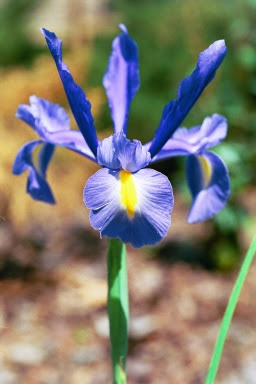
Iris spp.: Iris Hybrids. Type: Rhizome or bulb, which is planted in the fall. Height: 8 inches to 3 feet depending on variety. Spacing: 15 – 20 inches apart. Light Requirements: Full sun to semi – shade. Flowering Season: Spring. Vaselife: 2 – 5 days. 

Siberian Iris

Liatris spicata: Blazing Star. Type: Perennial. Height: 24 inches. Spacing: 12 – 18 inches apart. Light Requirements: Full sun. Flowering Season: Summer and fall. Vaselife: 5 – 7 days.

Lilium spp.: Lilies. Type: Perennial bulb, which is planted in the fall, the plant can be purchased in the spring. Height: 2 – 4 feet. Spacing: 8 – 12 inches apart. Light Requirements: Full sun to semi – shade. Flowering Season: Spring. Vaselife: 1 to 2 weeks. Lily pollen may stain anything it touches, so anthers need to be removed.

Liriope muscari 'Evergreen Giant': Evergreen Giant Lily Turf. Type: Ground cover. Spacing: 18 – 24 inches apart. Light Requirements: Full sun to shade. Flowering Season: Spring and summer, the foliage is used as greenery. Vaselife: 7 days. 

Evergreen Giant Lily Turf

Narcissus spp.: Daffodils. Type: Bulb, which is planted in the fall. Height: 6 – 18 inches depending on the variety. Spacing: 6 inches apart. Light Requirements: Full sun to semi – shade. Flowering Season: Late winter (February) to early spring. Vaselife: 4 – 8 days. Daffodils exude a slimy material that is toxic to other flowers. DO NOT hydrate, store, or arrange daffodils with other flowers. 

Daffodils

Phalaenopsis sp.: Moth Orchid. Type: Tropical Herbaceous perennial. Height: 6 inches – 6 feet depending on variety. Spacing: 12 – 18 inches apart. Light Requirements: Semi-shade to shade, in tropical climates the orchids can be grown on tree trunks. Flowering Season: All year. Vaselife: 7 days. 

Phalaenopsis

Rosa 'Black Magic': Hybrid Red Rose. Type: Deciduous flowering shrub. Height: 3 – 20 feet depending on variety. Spacing: 4 – 6 feet apart. Light Requirements: Full sun to semi – shade, or at least 5 to 6 hours of full sun. Flowering Season: Most varieties will bloom spring, summer, and fall. Vaselife: 6 – 16 days. The hybrid tea rose called Memorial Day is a very good rose that is easy to care for. 

Schefflera arboricola: Dwarf Schefflera. Type: Shrub. Height: 8 – 10 feet. Spacing: 3 – 5 feet apart. Light Requirements: Full sun to shade. Flowering Season: N/A the plant is used as greenery. Vaselife: 7 days. 

Variegated Dwarf Schefflera

Dwarf Schefflera


Limonium sp.: Statice. Type: Annual. Height: 2 feet. Spacing: 8 – 12 inches apart. Light Requirements: Full sun to semi – shade. Flowering Season: Late winter to summer, seeds are usually planted from September to December for late winter to summer blooms. Vaselife: 1 to 2 weeks. The flowers can be harvested and dried upside down.

Matthiola incana: Stock. Type: Annual. Height: 18 – 24 inches. Spacing: 8 – 12 inches apart. Light Requirements: Full sun to semi – shade. Flowering Season: Fall, winter, and spring. Vaselife: 5 – 8 days. This plant is very fragrant and I have always loved the fragrance.

Strelitzia reginae: Bird of Paradise. Type: Tropical Herbaceous perennial. Height: 3 – 4 feet. Spacing: 3 – 5 feet apart. Light Requirements: Full sun to semi-shade. Flowering Season: Summer, fall, winter. Vaselife: 6 – 14 days. Foliage and flowers can be used in arrangements. 

Bird of Paradise

Tulipa spp.: Tulips. Type: Annual bulb in southern climates, perennial bulb in northern climates. Height: 8 – 24 inches. Spacing: Is determined by the Tulip variety chosen, and which climate zone you reside. Light Requirements: Full sun to semi – shade. Flowering Season: Spring, it is suggested to stagger your planting of Tulip bulbs every 7 to 14 days to give you continuous color during the spring. Vaselife: 3 – 6 days. For the southern climate areas, you need to chill your Tulip bulbs in the refrigerator for 12 weeks in the crisper section before planting, even if the grower has already chilled the bulbs in advance. Illustration: Right: Variegated Schefflera.

Woody Branches that are blooming: Pussy Willow, Bittersweet, Flowering Cherry, Flowering Crab, Forsythia, Redbud, and Spirea. Harvest the branches when the plant starts to show color or the bloom is starting open. Pussy Willow can be harvested after the blooms are fully open.

Woody Branches that are non-blooming: Curly Willow, Red Osier Dogwood, and Yellow Twig Dogwood. The branches can be harvested at any time.

Like my photos? Need stock photography? Click here to my botanical portfolio.

Visit HibiscusandMore.com for botanical fine art prints. 

All photographs and digital images are ©Cheryl Ann Meola 2009. All Rights Reserved. All photographs and digital images displayed in this article are for viewing purposes only and cannot be duplicated. Place your cursor over the picture for the plant name.


Saturday, December 3, 2022

Christmas, Holiday, and Gardening Gift Ideas


Christmas, Holiday, and Gardening Gift Ideas

Merry Christmas and Happy Holidays from Hibiscus and More.

At Hibiscus and More we offer a fine selection of gardening and artistic gifts for all your shopping needs. Please feel free to browse our online catalog to find the perfect gift(s): Gardening Books: Southeast Style Gardening: Garden Design, Guides, and Notes. 

Available in paperback or kindle. Link: https://www.amazon.com/Southeast-Style-Gardening-Garden-Designs/dp/B08YNXJGMB/ref=sr_1_3?crid=2GTUVJY1W8SSZ&keywords=southeast+style+gardening&qid=1670093763&s=books&sprefix=southeast+style+gardening%2Cstripbooks%2C107&sr=1-3

The perfect gift for the butterfly gardener is Gardening for the Butterflies: Designing and Creating a Butterfly-Friendly Landscape. 

Link: https://www.amazon.com/Gardening-Butterflies-Designing-Butterfly-Friendly-Landscape/dp/B0B6LKWFJT/ref=sr_1_21?crid=18GI7S9OGRWKP&keywords=gardening+for+the+butterflies&qid=1670094069&s=books&sprefix=gardening+for+the+butterflies%2Cstripbooks%2C113&sr=1-21

Hibiscus and More features botanical florals and landscape giclee prints. Link: https://hibiscusandmore.com/products.html

Our botanical florals and landscapes are featured on greeting cards. Link: https://fineartamerica.com/shop/greeting+cards/cheryl+meola

Kitchen towels in your favorite flower. Link: https://fineartamerica.com/shop/bath+towels/cheryl+meola

Floral Placemats. Link: https://society6.com/cmeola7/placemats

Need something else for your holiday table? Link: https://society6.com/cmeola7/tabletop

Visit our blog for more gardening information.

Need botanical stock photography? Click here for more information.

Merry Christmas and Happy Holidays,

Hibiscus and More

Saturday, October 8, 2022

Halloween Decor and October Gardening Calendar


October Gardening Calendar – 2022

As the gardening calendar turns to October the fall season begins to unfold with beautiful cooler weather and the start of seasonal color changes. The season brings all of us gardener’s wonderful cooler weather to get out in our garden and perform our October gardening calendar tasks. I would like to mention a few gardening tips for the month of October.

Plant New Shrubs, Trees, and Perennials: Have you been thinking about replacing a few shrubs that just did not quite get established in the landscape or just need to be replaced, or planting a new shade or flowering tree that you just cannot live without in your landscape? Now, is the time to start thinking about making that purchase? The fall season is an excellent time to add new shrubs, trees, and perennials to your landscape. This time of year, will let your newly planted shrubs, trees, and perennials to get a head start by developing and establishing new root growth in the soil. Garden centers advertise Fall is For Planting with several fall sales and advice. Plant a tree to help combat Climate Change.

Fall Color Annuals and Fall Bulbs: Fall color annuals and bulbs are ready to purchase at your local retail garden center. Add a little color to your garden this season by planting these wonderful, low maintenance beauties. Mentioned in the fall color annuals newsletter, you can still plant annuals in a container even if you have a garden. Fall color containers make wonderful accent pieces to your patio, deck, front porch, or any outdoor living space. Purchase your fall bulbs early for spring color. A few varieties can be used for forcing color for the holidays. For More Information On Fall Color Annuals: Click Here. For More Information On Fall Bulbs: Click Here.

Fall Vegetables: If you are planning to start a fall vegetable garden early, October is the best time to purchase your vegetable starts. Broccoli, cabbage, collards, beets, brussels sprouts, carrots, cauliflower, garlic, onion, kale, spinach will grow excellent in the fall. Don’t have room to plant your fall vegetable garden, but would like to grow your own vegetables? A planting container 16 inches or larger can be used to grow fall vegetables. For More Information on Fall Vegetables: Click Here.

Mulching: Rake up all the old mulch under your crabapples, red tip photinia, roses, and replace. This will help prevent diseases on next year’s new leaves. The plants listed are prone to diseases. With all new plants planted in the fall in is highly recommended to add 4 – 6 inches of mulch. Mulch acts as an insulator in fall and winter and in spring and summer will help keep your plants cool.

Composting: Fall is a good time to start composting all the leaves falling off the trees. Composting is a natural form of recycling that continually occurs in nature. Studies have shown that by home composting you can divert an average of 700 pounds per household per year from the waste stream. In addition to the leaves, you can compost kitchen scraps such as, apples, carrots, onions, potatoes peels; tea leaves, coffee grounds, yard clippings, or anything else organic. Your planting beds and garden plants will enjoy the treat. For my information on composting Click Here.

Weeds: Apply a pre-emergent weed killer to lawn and shrub bed areas. The pre-emergent works by killing the weed seeds from germinating. The application will last about three months or longer. Check package label for how long the product last and when to reapply next application. This product does not kill existing weeds, existing weeds need to be pulled or spray with a weed killer.

Halloween Decorations: Halloween is only 3 weeks away and we have wonderful Halloween Decorations and Home Decor. To View all Halloween Decorations, Click Here. 40% off Halloween Decor Click Here.

Need botanical stock photography? Click Here.

Cheryl Meola © 2022.   

Spooky Halloween - Cheryl Meola © 2022. 


Saturday, August 6, 2022

Photo Contest

 Hello Bloggers,

I'm a horticulturist and plant photographer. I have entered a photo contest. I need a hundred votes for each photo. Just click on the link and vote. Happy Gardening!!

Meow. Is anybody there?

Louisiana Sunset

Sunflower


Thank you

February Gardening Calendar 2026

  February Gardening Calendar 2026 Spring is near when the Daffodils start blooming.   This winter has come in with a vengeance bringing...